Panel Discussion
Panel Discussion
Title: Let’s focus on student learning. How can we improve our observations of student learning?
Speakers
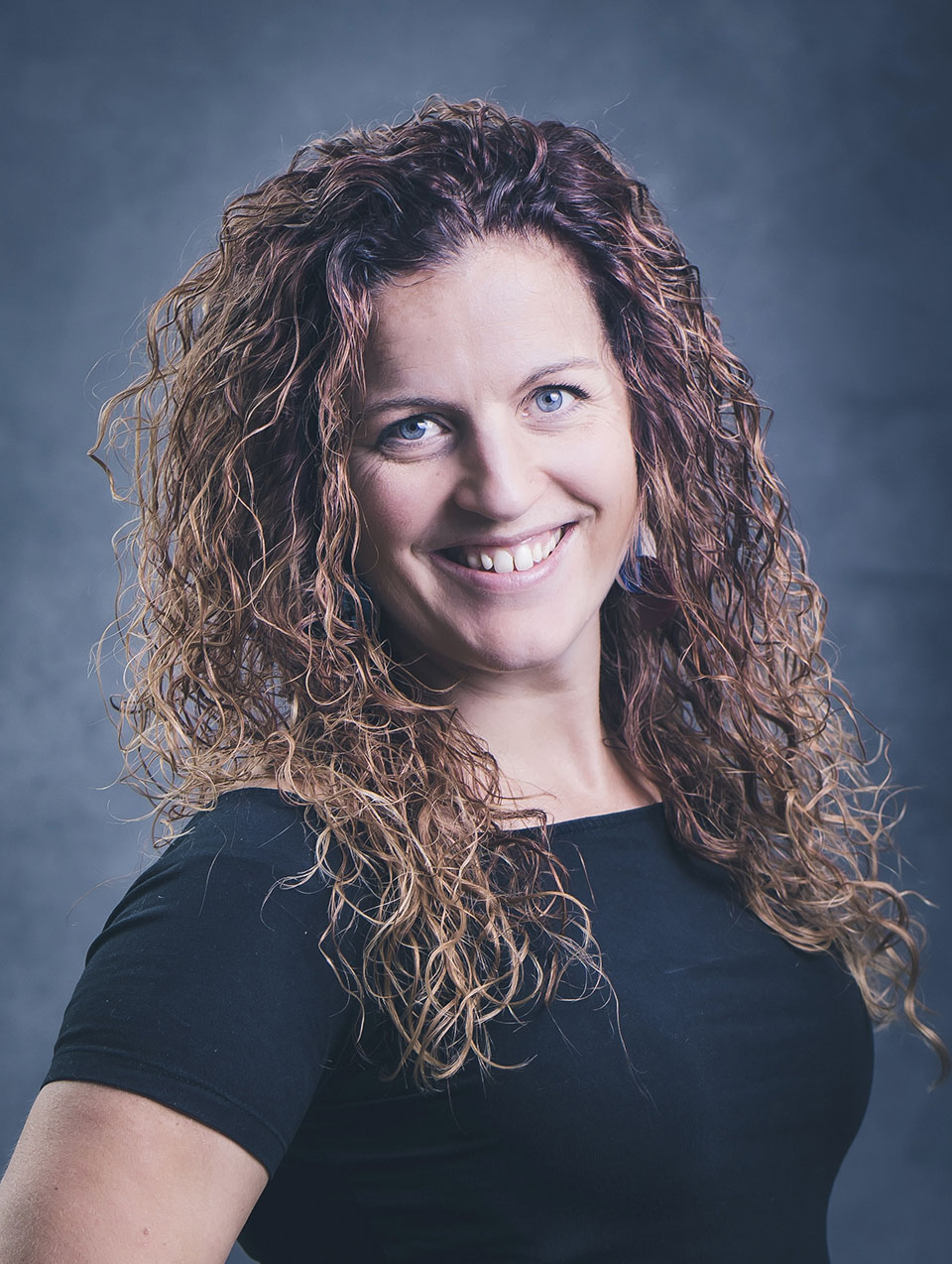
Ann-Sofie Jägerskog
Ann-Sofie Jägerskog is an Associate Professor of Teaching and Learning, specializing in social studies, at the Department of Teaching and Learning at Stockholm University. Her research focuses on learning through visual representations in the social sciences, citizenship education, sustainability, and civic reasoning. Much of her research is conducted in collaboration with practicing teachers through educational development research and learning studies. She is currently involved in three larger research projects that explore student learning through iterative cycles of research lessons.
How can observations of student learning inform lesson design in lesson and learning studies?
Identifying student learning is a central part of a learning study. However, an equally important step is to design and test teaching based on analyses of student learning, in order to draw well-founded and useful conclusions about principles for teaching. Drawing on examples from a research project in social studies, I will argue that there is much to gain from broadening our repertoire of theoretical tools and concepts when analysing teaching design and drawing conclusions about teaching based on student learning. The example illustrates how concepts and analytical tools from activity theory can enrich such analyses in a learning study, contributing to both educational practice and theoretical development.
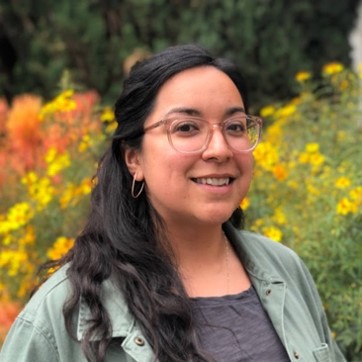
Ariana Contreras
I came into this work with over a decade of classroom teaching experience in San Francisco Public Schools. As a teacher leader, I led my colleagues in inquiry cycles, planned and facilitated whole-school Professional Development, and provided instructional guidance to the district. Currently, I am an instructional coach supporting teacher teams, leading our whole school implementation of Lesson Study, an inquiry-based Professional Development, and supporting the expansion of this model across the district. I am passionate about building and sustaining teacher leadership that is equity-centered. To me, that looks like disrupting patterns of systemic oppression that can take place in schools–teachers are the key. I have my Master’s in the Art of Teaching from the University of San Francisco, trained in Coaching for Equity and Restorative Practices, and attended IMPULS ’18, ’23, ’24.
What can we learn from student learning in lesson and learning studies?
Students are everything. When we can take the time to really look closely at what students are saying/doing and how they are engaging with the content and their peers, we can glean so much beyond how effective our lesson is. We can gather information on their progression of skills towards mastery of the content and well as their mindset as a learner. We can observe class dynamics of student-perceived authority in the classroom and our roles in this. The information from our observations goes beyond that SINGLE lesson in the classroom. We can use it to make shift large and small into our instruction.
Kyoko Ishii
Kyoko Ishii is a Japanese researcher specializing in science education and physics education. Contribute improving science teacher training and developing effective elementary and secondary school science curricula.
Academic Career
- University of Fukui: September 2007 to March 2013
- Tamagawa University: April 2013 until March 2024
- Prior Experience: teaching at the elementary schools attached to Ochanomizu University
Key Focus Areas & Leadership
As a core member of “LADY CATS (Creators of Activities for Teaching Science), conducted workshops on “simple and beautiful experiments” in various countries. In June 2012, she received the prestigious International Conference on Physics Education (ICPE) Medal for her exceptional work in the field.
A brief abstract outlining each panel member’s discussion topic and explaining how it relates to one or more of the following focus questions
What becomes visible when we focus on the students’ learning?
Let’s consider what becomes visible when we focus on student learning in lesson study. While it is difficult for a single teacher to grasp the learning of every student in the classroom, observers can watch students up close and in detail. For instance, by observing students as they listen to the teacher, reread their textbooks, take notes, or ask their neighbor questions, we can gain insight into their thought processes—such as where and how they encountered difficulties, how they arrived at solutions, and how they collaborated with their peers. By collaboratively examining these observed realities, we can deepen our understanding of students’ learning pathways and gain insights for conducting student-centered lessons. I would like to share a few examples from Japan.
Chair
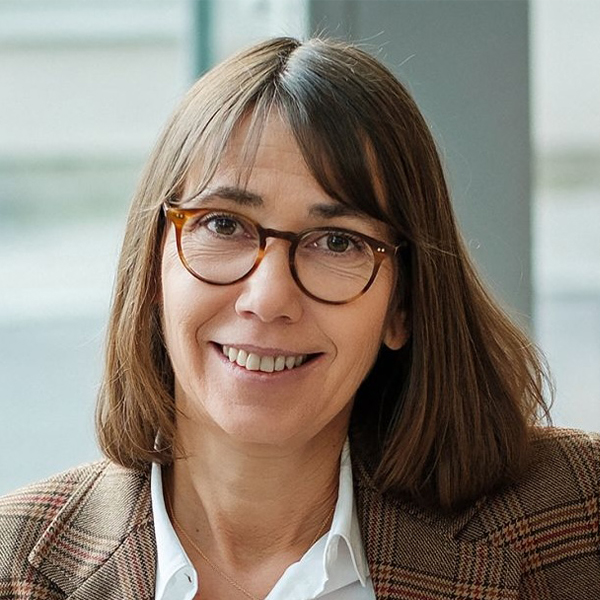
Angelika Kullberg
Angelika Kullberg is professor in mathematics education at the University of Gothenburg in Sweden. She has worked with learning studies for more than 20 years in collaboration with teachers. She is currently vice president of WALS.
She has coauthored the book Planning and analyzing teaching (2024) in the WALS Lesson study series. Ongoing research projects involve prospective teachers learning of teaching skills from participating in learning study and young students learning of early arithmetic skills.
Commentator
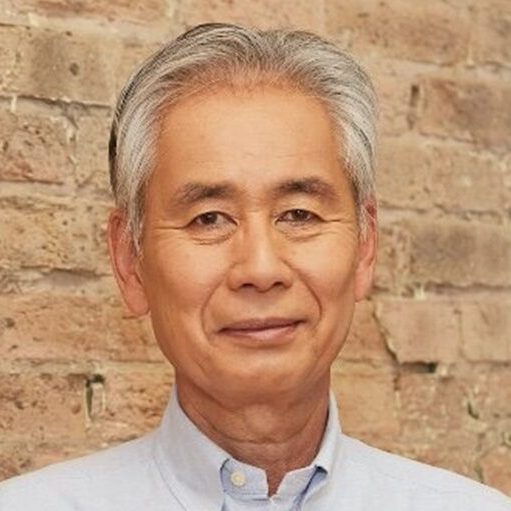
Akihiko Takahashi
Akihiko Takahasi, Ph.D., is President of the Board of Directors of the Lesson Study Alliance and a Professor Emeritus at DePaul University, where he taught mathematics and mathematics education for 21 years. Before his academic career, he gained nearly two decades of hands-on experience with Lesson Study as a classroom teacher and teacher leader in Japan.
His extensive research in mathematics education has led to over 80 journal articles and book chapters, focusing on teacher professional development and the application of Lesson Study in both English and Japanese, including “Collaborative lesson research: maximizing the impact of lesson study” (2016) and “Teaching Mathematics Through Problem-Solving: A Pedagogical Approach from Japan” (2026).